airsilkroade3
| Team info | |
|---|---|
| Description | The Air Silk Road: Redefining Global Connectivity in the Modern Era
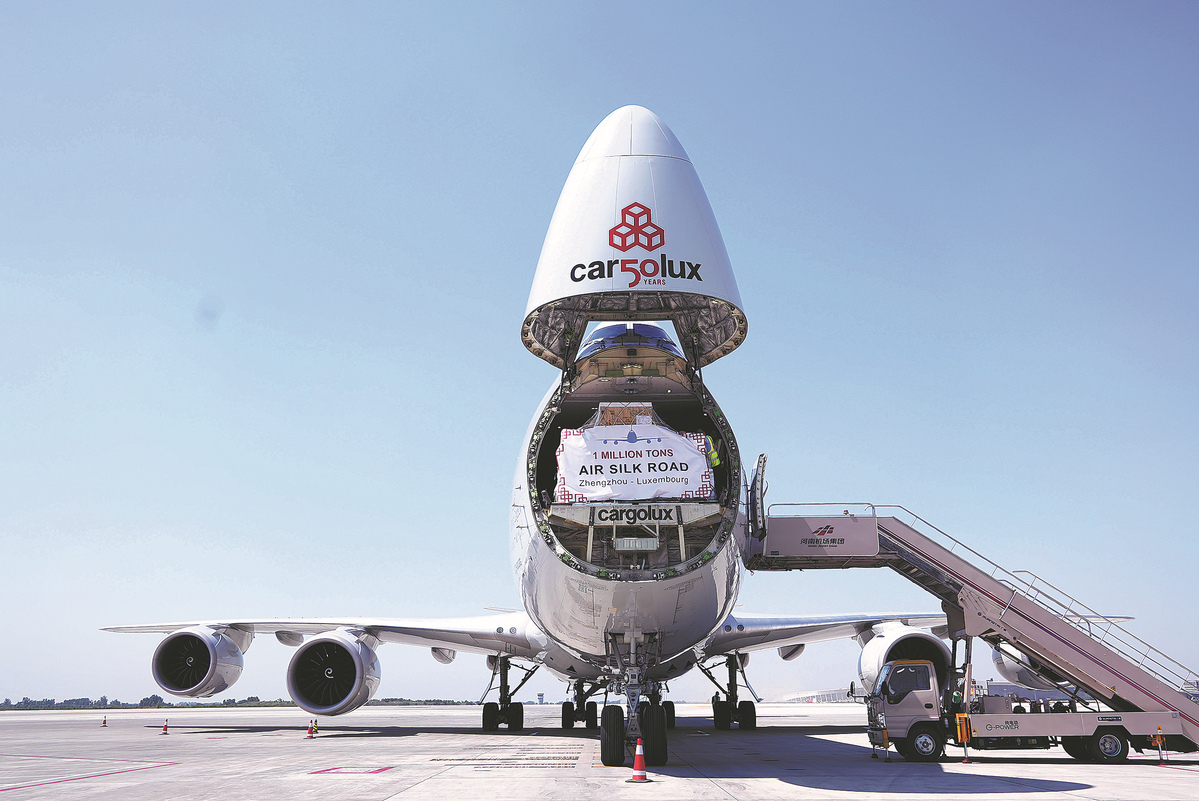
In an increasingly interconnected world, the movement of goods, services, and people has become faster and more complex than ever before. While traditional trade routes such as maritime shipping lanes and rail networks have long been the backbone of global commerce, a new concept has emerged to complement and enhance these systems—the Air Silk Road. This evolving framework represents a modern approach to international logistics, driven by aviation, digital infrastructure, and strategic cooperation between nations. Understanding the Air Silk Road The Air Silk Road refers to a network of air transport routes designed to facilitate faster and more efficient trade across continents. Unlike historical silk roads that relied on caravans and maritime voyages, this modern version leverages cargo aircraft, advanced logistics hubs, and integrated supply chain technologies. It aims to reduce delivery times, improve accessibility to landlocked regions, and support high-value, time-sensitive industries. At its core, the Air Silk Road is not just about aviation routes. It encompasses a broader ecosystem that includes airport infrastructure, customs coordination, digital tracking systems, and policy alignment between participating regions. By integrating these elements, the initiative seeks to create a seamless flow of goods and services across borders. The Driving Forces Behind Its Growth Several factors have contributed to the rise of the Air Silk Road. One of the most significant is the rapid growth of e-commerce. Consumers now expect faster delivery times, often within days or even hours. Air freight has become essential in meeting these expectations, particularly for international orders. Additionally, industries such as electronics, pharmaceuticals, and perishable goods rely heavily on speed and reliability. Air transport offers a level of efficiency that traditional shipping methods cannot match. As global demand for these products increases, so does the need for a robust air logistics network. Technological advancements have also played a crucial role. Innovations in cargo tracking, automation, and data analytics have made air transport more efficient and transparent. These improvements allow businesses to monitor shipments in real time, optimize routes, and reduce operational costs. Strategic Importance for Global Trade The Air Silk Road holds significant strategic value for participating countries. By enhancing air connectivity, nations can strengthen their positions in global trade and attract foreign investment. Improved logistics infrastructure often leads to the development of industrial zones, trade hubs, and economic corridors. For developing regions, the Air Silk Road provides an opportunity to integrate into the global economy. Landlocked countries, in particular, benefit from improved access to international markets. This can lead to increased exports, job creation, and overall economic growth. Moreover, the initiative promotes diversification of trade routes. Relying solely on maritime or land-based transportation can create vulnerabilities, especially during disruptions such as natural disasters or geopolitical tensions. Air routes offer an alternative that enhances resilience and flexibility. Challenges and Considerations Despite its many advantages, the Air Silk Road faces several challenges. One of the primary concerns is cost. Air freight is significantly more expensive than other modes of transport, making it less suitable for low-value or bulk goods. Balancing cost efficiency with speed remains a key issue for businesses. Infrastructure development is another challenge. Building and upgrading airports, cargo terminals, and logistics hubs require substantial investment. Not all regions have the financial resources or technical expertise to support such developments. Environmental impact is also a growing concern. Aviation contributes to carbon emissions, and the expansion of air freight networks raises questions about sustainability. Addressing these concerns requires investment in greener technologies, such as fuel-efficient aircraft and alternative energy sources. Additionally, regulatory differences between countries can create obstacles. Customs procedures, safety standards, and trade policies vary widely, potentially causing delays and inefficiencies. Greater international cooperation and standardization are essential to overcoming these barriers. The Role of Digital Integration One of the defining features of the Air Silk Road is its reliance on digital technology. Modern logistics systems use data-driven platforms to coordinate shipments, manage inventory, and streamline operations. These technologies enable faster decision-making and reduce the risk of errors. Digital integration also enhances transparency. Businesses and consumers can track shipments in real time, improving trust and reliability. Blockchain technology, for example, is being explored as a way to secure and verify transactions across the supply chain. Furthermore, the use of artificial intelligence and predictive analytics allows for better demand forecasting and route optimization. This not only improves efficiency but also reduces costs and environmental impact. Future Prospects The future of the Air Silk Road looks promising, driven by continued advancements in technology and growing demand for fast, reliable logistics solutions. As global trade evolves, the importance of air transport is likely to increase. Emerging technologies such as unmanned aerial vehicles and autonomous cargo systems could further transform the landscape. These innovations have the potential to reduce costs, improve accessibility, and enhance efficiency. Sustainability will also play a critical role in shaping the future of the Air Silk Road. Efforts to develop eco-friendly aviation solutions, including electric aircraft and sustainable fuels, are gaining momentum. These initiatives aim to balance economic growth with environmental responsibility. In addition, greater international collaboration will be essential. Countries must work together to harmonize regulations, share best practices, and invest in مشتر infrastructure. Such cooperation will ensure that the benefits of the Air Silk Road are widely distributed. Conclusion The Air Silk Road represents a significant evolution in global trade and connectivity. By leveraging aviation and digital technology, it offers a faster, more efficient alternative to traditional transportation networks. While challenges remain, the potential benefits for economic growth, accessibility, and resilience are substantial. As the world continues to adapt to changing market demands and technological advancements, the Air Silk Road is poised to play a central role in shaping the future of international commerce. |
| Created | 1 May 2026 |
| Web site | http://eng.yidaiyilu.gov.cn/p/19530.html |
| Total credit | 0 |
| Recent average credit | 0 |
| Cross-project stats | BOINCstats.com Free-DC SETIBZH |
| Country | International |
| Type | None |
| Members | |
| Founder | yummyfaustine |
| New members in last day | 0 |
| Total members | 0 (view) |
| Active members | 0 (view) |
| Members with credit | 0 (view) |

©2026 University of Washington
https://www.bakerlab.org