menadistribution83
| Team info | |
|---|---|
| Description | Semolina: The Golden Grain Behind Timeless Dishes
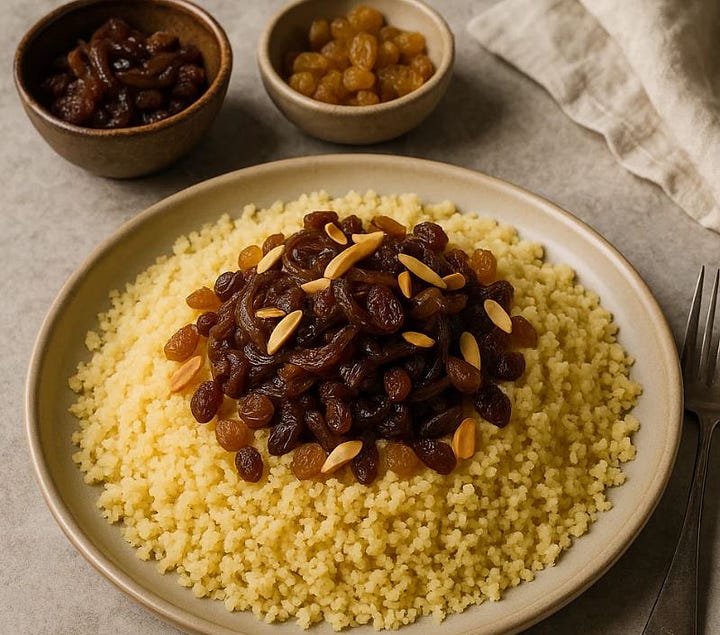
Semolina is a humble yet powerful ingredient that has shaped culinary traditions across continents for centuries. Recognized by its golden color and slightly coarse texture, semolina is more than just a type of flour—it is a foundation for some of the world’s most beloved foods, from pasta and bread to desserts and porridges. What Is Semolina? Semolina is produced from durum wheat, a hard variety of wheat known for its high protein content and firm structure. When durum wheat is milled, it yields semolina—coarser than regular flour, yet finer than cracked wheat. This unique texture allows it to absorb liquid slowly, giving dishes a distinctive bite and resilience. A Staple Across Cultures Semolina appears in cuisines around the world, each using it in a unique way. In the Mediterranean and Middle Eastern regions, semolina is the base for breads, cakes, and savory pastries. In Italy, it is essential for making high-quality pasta with a firm “al dente” texture. In North Africa, semolina forms the backbone of couscous, a dish that carries deep cultural and social significance. In South Asia, semolina—known as suji or rava—is commonly used in breakfast dishes and sweets, proving its versatility beyond Western cooking. Texture That Transforms Cooking What sets semolina apart is how it behaves during cooking. Its coarse grains swell gradually, creating structure without becoming mushy. This makes it ideal for recipes that require firmness and shape, such as dumplings, gnocchi, or layered desserts. Bakers also value semolina for the golden color and subtle nutty flavor it lends to bread and pastries. Nutritional Value and Benefits Semolina is naturally rich in carbohydrates, providing long-lasting energy. It also contains protein, iron, and B vitamins, supporting muscle function and overall metabolism. When used in balanced meals, semolina can be a satisfying ingredient that keeps you fuller for longer. Sweet and Savory Possibilities One of semolina’s greatest strengths is its adaptability. In savory dishes, it pairs beautifully with herbs, cheeses, vegetables, and meats. In sweet recipes, it absorbs syrups, milk, and honey, creating smooth, comforting textures. From crisp crusts to creamy fillings, semolina effortlessly bridges the gap between sweet and savory cooking. A Grain That Endures Despite the rise of modern flours and alternatives, semolina continues to hold its place in kitchens worldwide. Its reliability, flavor, and cultural importance make it a timeless ingredient that adapts to both traditional recipes and contemporary culinary trends. Conclusion Semolina is proof that simplicity can be extraordinary. With its golden hue, satisfying texture, and global presence, it remains an essential grain that brings depth and character to countless dishes. Whether baked, boiled, or simmered, semolina tells a story of tradition, nourishment, and culinary creativity. |
| Created | 16 Dec 2025 |
| Web site | http://menadistribution.com/blogs/food |
| Total credit | 0 |
| Recent average credit | 0 |
| Cross-project stats | SETIBZH Free-DC BOINCstats.com |
| Country | International |
| Type | None |
| Members | |
| Founder | gwenniezippy |
| New members in last day | 0 |
| Total members | 0 (view) |
| Active members | 0 (view) |
| Members with credit | 0 (view) |

©2026 University of Washington
https://www.bakerlab.org