prams6
| Team info | |
|---|---|
| Description | The Baby Pram: A Timeless Symbol of Comfort, Care, and Class
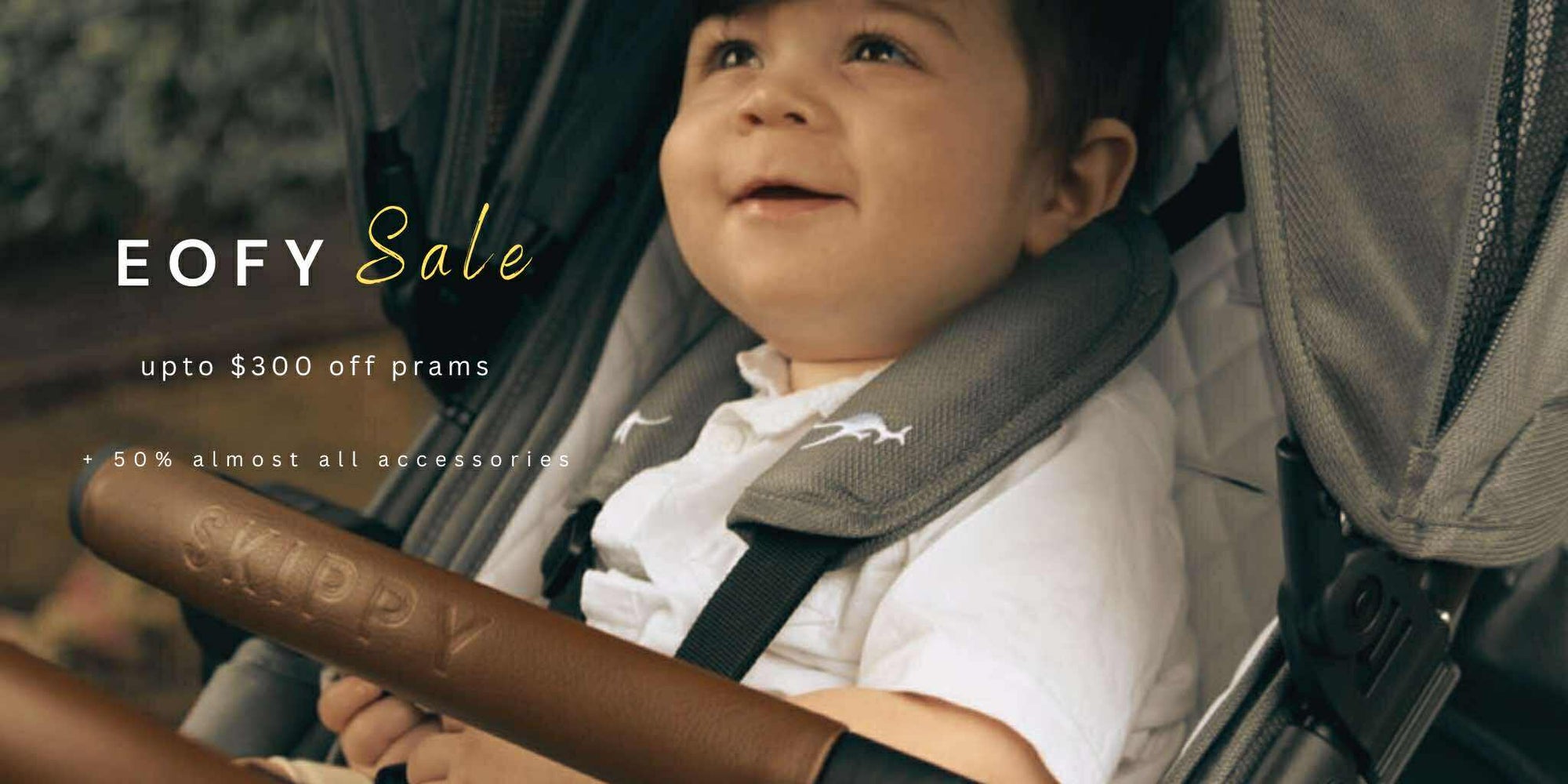
In the ever-evolving world of parenting products, few items have stood the test of time quite like the baby pram. More than just a mode of transportation for infants, the pram is a cultural icon—a blend of design elegance, nurturing tradition, and modern-day innovation. While strollers are often associated with function and mobility, the pram is the gold standard for comfort and style in those tender first months of a baby's life. What Is a Baby Pram? A baby pram (short for perambulator) is designed specifically for newborns and infants up to 6 months, allowing them to lie completely flat—a position recommended by pediatricians for healthy spinal development and breathing. Unlike more upright strollers, prams are usually deeper, more cushioned, and styled for optimal newborn support. A Brief History: Elegance in Motion The baby pram dates back to the early 18th century, originally created as a luxury for aristocratic families. Early models resembled miniature horse-drawn carriages, often pushed by nannies in city parks or promenades. With ornate metalwork, velvet canopies, and polished wood frames, prams were once status symbols—an extension of the family’s class and style. By the mid-20th century, prams became more accessible to the middle class, evolving into safer, more durable designs while retaining their signature charm. Modern-Day Prams: Where Style Meets Science Today’s baby prams combine traditional comfort with modern technology. Leading brands offer suspension systems for a smoother ride, anti-shock frames, ventilated bassinets, and eco-friendly materials. Some prams convert into travel systems, adapting to growing babies and busy lifestyles. Key features of a quality pram include: Fully flat bassinet with mattress support Extendable canopy with UV protection Adjustable handlebar for ergonomic pushing Lockable wheels and durable suspension for stability Detachable bassinet for indoor use as a cradle Why Parents Choose a Pram 1. Optimal Newborn Support Prams support full recline, which is crucial for newborns who can’t yet hold up their heads. This position encourages healthy posture, proper lung development, and deeper, more restful sleep. 2. Luxury & Aesthetic There’s a reason prams are frequently seen in high-fashion ads and royal baby announcements—they’re timelessly stylish. Many parents choose prams not just for function, but for the aesthetic statement they make. 3. Weather Protection Modern prams often include rain covers, mosquito nets, and breathable canopies, making them ideal for outdoor naps, no matter the season. 4. Versatility for the Home Many prams allow the bassinet to be detached and used as a portable sleeping space, eliminating the need for an additional crib during the early months. Many modern parents choose a 2-in-1 or 3-in-1 system, where a pram-style bassinet attaches to a stroller frame that can later support a toddler seat. Eco-Conscious & Designer Prams As sustainability gains traction, pram manufacturers have started using organic cotton linings, recycled aluminum, and non-toxic finishes. Meanwhile, luxury brands like Bugaboo, Silver Cross, and Cybex offer designer prams that blend premium materials with high-fashion flair. Final Thoughts: A Classic Reimagined The baby pram remains one of the most cherished pieces in a newborn's early life. Whether used for daily walks, cozy naps, or showcasing your bundle of joy to the world, the pram stands as a symbol of calm, care, and class in parenting. As design trends shift and technology evolves, one thing stays the same: the pram’s role as a gentle, elegant beginning to life’s journey. |
| Created | 29 Jun 2025 |
| Web site | http://skippybabyprams.com.au/collections/prams |
| Total credit | 0 |
| Recent average credit | 0 |
| Cross-project stats | SETIBZH Free-DC BOINCstats.com |
| Country | International |
| Type | None |
| Members | |
| Founder | 619vicious |
| New members in last day | 0 |
| Total members | 0 (view) |
| Active members | 0 (view) |
| Members with credit | 0 (view) |

©2026 University of Washington
https://www.bakerlab.org